
BREAST MILK STORAGE GUIDE
The Complete Breast Milk Storage Guide (2026)
Everything you need to know about storing breast milk safely.
- How long it lasts and how to store it at room temperature, in the fridge, and in the freezer
- How to minimize breast milk wastage
- How to thaw and warm breast milk for your baby.
Updated with CDC guidelines.
How Long Does Breast Milk Last?
Most parents waste breast milk without ever realising it.
You pumped. You labelled. You stored it.
But right now — without opening your fridge or freezer — do you know how many bags you have? Which one expires first? Whether you have enough to last the week? Which bag your daycare used this morning?
Most parents don't. And that's not carelessness — it's just genuinely hard to track once milk is spread across a fridge, a freezer, and a daycare bag, with multiple people involved in feeding.

Guidelines can be hard to remember, we help you track your milk
Did you know? Most parents accidentally use their newest milk first — which means the oldest bags expire at the back of the freezer. Cubtale automatically sorts your inventory by expiration date and tells your caregiver exactly which bag to use next.
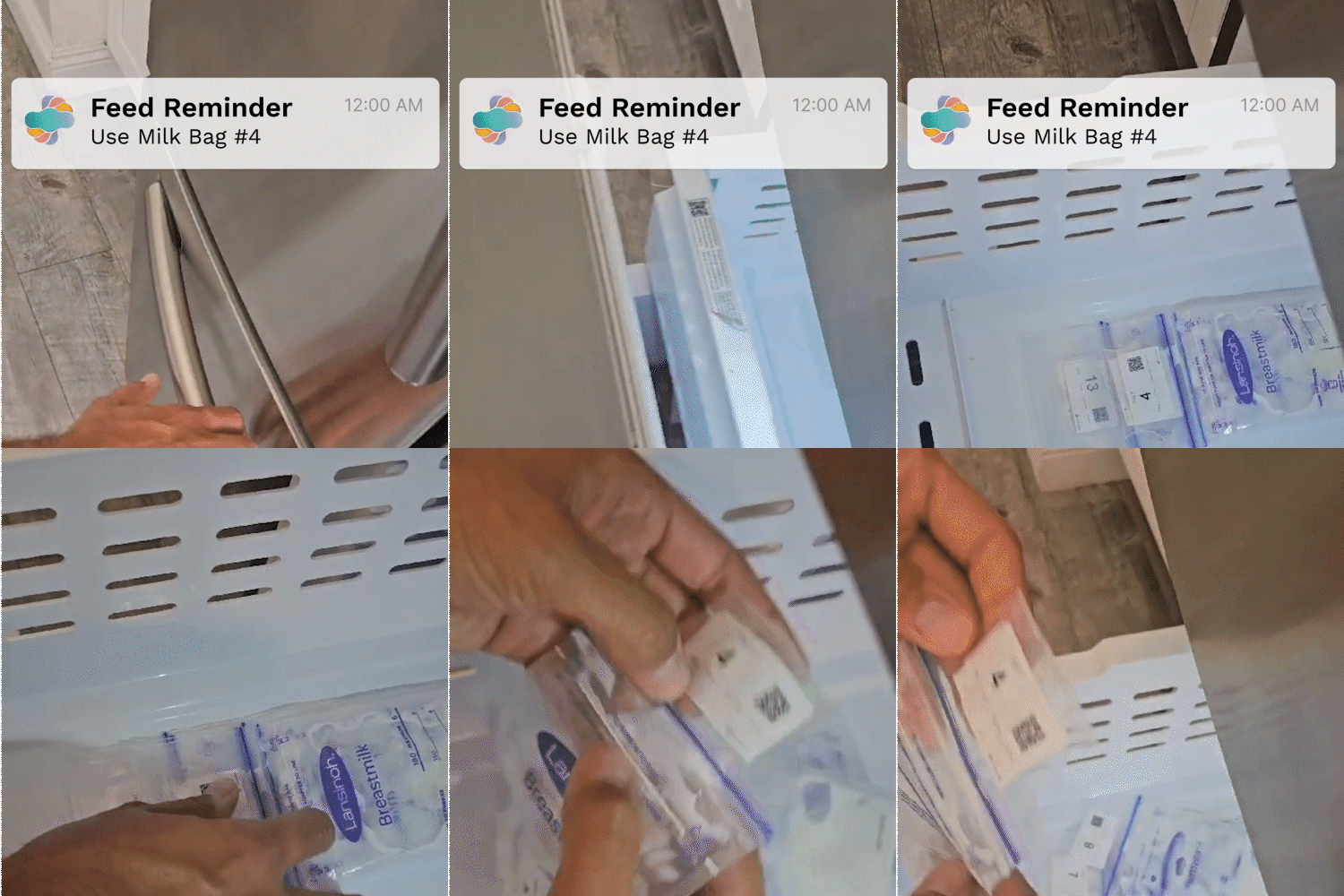
Feed time? Cubtale tells you which bag. Every time.
Why 200,000 Families Use Cubtale for Breast Milk Storage
Know exactly what you have and when it expires
Every bag you log gets a pump date, storage location, and calculated expiry — based on CDC guidelines for that specific location. Cubtale tracks fridge bags separately from freezer bags, so you always know what's where and how long it's good for.
Reminders before anything expires
Cubtale alerts you — and your caregiver — before a bag reaches its limit. No more discovering an expired bag at the back of the freezer three months after it should have been used. Nothing slips through.
Always know how long your supply will last
See your total stockpile in one view — sorted by expiry, broken down by location, with a projection of how many days it covers. Know when to pump more before you run short. No more guessing the week before you travel.
Your caregiver always uses the right bag
Cubtale tells your daycare, nanny, or partner exactly which bag to use next — oldest first, every time. They confirm the feed, and your inventory updates automatically. No instructions to remember. No "which milk?" texts.
One inventory — visible to everyone who feeds your baby
Add your partner, nanny, or parents to your Cubtale family. Everyone sees the same live supply, the same expiry alerts, the same feeding history. One source of truth for everyone involved in your baby's care.
Allergy and feed history — ready for your pediatrician
Log what you ate during each pump session and track any reactions after feeds. Full history stored and shareable at your next appointment.
.png)
200K
Families Using Cubtale
4.9

App Store Rating
2.4M+
Milk Bags Tracked
Step 1: Label your bag

Step 2: Add bag to the Cubtale app with location
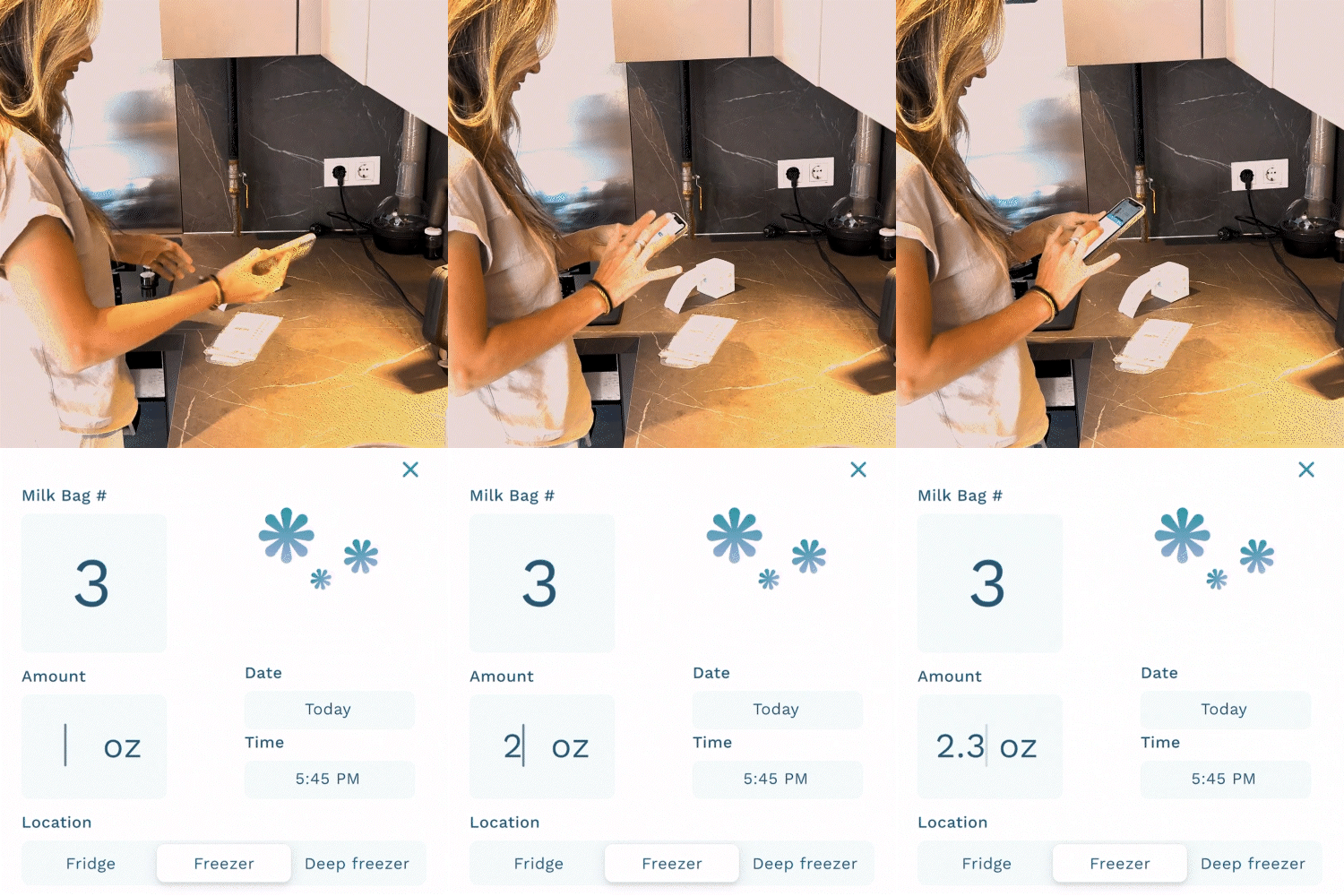
Step 3: At feed time — Cubtale tells you exactly which bag to use.
Get reminded before your milk expires
Frequently Asked Questions About Breast Milk Storage
Q: How long does breast milk last in the fridge?
Freshly pumped breast milk can be stored in the refrigerator for up to 4 days at 39°F (4°C) or colder, though the CDC recommends using it within 3 days for best quality. Always store milk at the back of the fridge where it's coldest — not in the door.
Q: How long can breast milk stay at room temperature?
Freshly pumped breast milk can sit at room temperature (up to 77°F / 25°C) for up to 4 hours. If the room is warmer than 77°F, use or refrigerate it sooner. Once your baby has started drinking from a bottle, use it within 2 hours.
Q: How long does breast milk last in the freezer?
In a standard combo fridge-freezer at 0°F (−18°C), breast milk can be stored for up to 6 months, with best quality within 3 months. In a standalone deep freezer at −4°F (−20°C), it can last up to 12 months. Always label bags with the pump date so you know which to use first.
Q: Can you refreeze thawed breast milk?
No. Once breast milk has been thawed, it should never be refrozen. Thawed milk stored in the refrigerator should be used within 24 hours. If left at room temperature after thawing, use it within 1–2 hours. When in doubt, throw it out — your baby's safety comes first.
Q: What is the FIFO rule for breast milk?
FIFO stands for First In, First Out — it means always using the oldest pumped milk first so nothing expires at the back of your freezer. Most parents accidentally reach for the newest bag because it's easiest to grab. Cubtale Smart Labels give every bag a QR code that connects to the app, which automatically tells you — and your caregiver — exactly which bag to use next, every time.
Q: How should I store breast milk at daycare?
Send milk to daycare in clearly labelled bags or bottles showing your baby's name, the pump date, and the amount. Ask your daycare provider to follow FIFO — oldest milk first. Cubtale's daycare-ready QR labels let caregivers scan the bag to see all this information instantly, without needing the app themselves. The app updates automatically when they mark a bag as consumed.
How Long Does Breast Milk Last? (Complete Breakdown)
Breast milk storage time depends entirely on where you store it. According to the CDC, freshly pumped milk lasts up to 4 hours at room temperature, up to 4 days in the refrigerator, up to 6 months in a standard freezer, and up to 12 months in a deep freezer. These are maximum times — for best nutritional quality, aim for the shorter end of each range.
The most important variable is temperature consistency. A fridge that fluctuates or a freezer door that's opened frequently will shorten safe storage time. Store milk at the back of the fridge or freezer, never in the door, and keep a thermometer in both to verify the actual temperature.
Previously thawed milk follows stricter rules: once thawed in the fridge, use within 24 hours. At room temperature after thawing, use within 1–2 hours. Never refreeze thawed milk.
The FIFO Rule: Why the Oldest Milk Always Goes First
FIFO — First In, First Out — is the single most important habit for any family with a breast milk stockpile. It means the bag pumped earliest should always be used before newer bags, regardless of where it's stored.
The problem is that it's easy to forget. Freezers fill up, bags get shuffled, caregivers grab whatever's on top. The result: perfectly good milk quietly expires at the back of the freezer while newer bags get used. Research suggests this is one of the leading reasons families waste expressed milk.
Cubtale Smart Labels solve this automatically. Each label carries a QR code that's linked to the Cubtale app. When you add a new bag to your inventory, the app sorts your entire supply by expiration date. The next time you — or your caregiver, nanny, or partner — need to pull a bag, Cubtale tells them exactly which one to use. No guessing, no waste, no expired milk discovered three months later.
How to Store Breast Milk Safely: Containers and Best Practices
Use breast milk storage bags specifically designed for freezing, or hard-sided BPA-free containers with tight-fitting lids. Avoid ordinary zip-lock bags or disposable bottle liners — they aren't designed for long-term milk storage and may leak or crack when frozen.
Fill each bag or container to about three-quarters full to allow for expansion during freezing. Store in small amounts — 2 to 4 oz portions — to reduce waste, since any milk your baby doesn't finish from a bottle must be used within 2 hours.
Label every bag with the date and time pumped, the amount, and your baby's name if going to daycare. If you're using Cubtale Smart Labels, scan the QR code to log it directly into the app — the label itself carries all the information caregivers need.
Thawing and Warming Breast Milk Safely
The safest way to thaw frozen breast milk is to move it from the freezer to the refrigerator the night before you need it. For faster thawing, hold the bag under warm running water or place it in a bowl of warm water — never hot.
Do not microwave breast milk. Microwaves heat unevenly and can create hot spots that burn your baby's mouth. They also destroy some of the immune-protective proteins that make breast milk valuable.
Once warmed, gently swirl the bag or bottle — don't shake it — to mix the fat that naturally separates during storage. Test the temperature on your inner wrist before feeding. It should feel warm, not hot.